How to Showcase the Impact of Medical Affairs
Activity metrics only tell half the story. Learn how Medical Affairs teams can build a value story that shifts HCP beliefs and earns leadership buy-in.

The role of Medical Affairs continues to grow across the pharmaceutical industry. Even so, showcasing the value of Medical Affairs teams remains a challenge. During our virtual workshop, How To Demonstrate and Communicate the Impact of Your Medical Affairs Team, Linda Traylor, VP of Medical Excellence at Acceleration Point, and Renu Juneja, Head of Clinical Operations Program Management at Johnson & Johnson Innovative Medicine, shared insights on how Medical Affairs teams can better articulate their contributions across their organization.
Here are several key takeaways from the session and practical strategies for Medical Affairs professionals to enhance their impact.
Key Takeaways:
- Activity-based metrics (publication counts, HCP interaction volume) don't capture the strategic value Medical Affairs delivers.
- Effective impact measurement starts with the desired clinical behavior, then works backward to the beliefs and actions Medical Affairs can influence.
- A scientific narrative must first establish whether HCPs recognize an unmet need before it can shift their beliefs.
- A value story ties Medical Affairs activities to organizational impact in a format senior leadership can grasp in seconds, not minutes.
Why Is It Hard to Communicate Medical Affairs Impact?
One of the primary challenges in Medical Affairs is quantifying the impact of activities that are inherently qualitative. As Linda Traylor pointed out, "We're always trying to fit that square peg into a round hole when it comes to forcing those activity-driven metrics to tell our impact story."
The conventional approach of relying on metrics such as the number of publications or the volume of HCP interactions falls short of truly reflecting the strategic value Medical Affairs brings to the organization. This challenge isn't unique to any one team: a global survey of Medical Science Liaison performance found that defining meaningful KPIs remains one of field medical's most persistent measurement problems. Medical Affairs teams need to move from sharing data on activities to showcasing true impact.
How Can Medical Affairs Move Beyond Activity-Based KPIs?
The scale of this challenge shows up in industry data too. A 2025 MAPS Annual Meeting survey found that 90 percent of medical organizations describe impact measurement as a persistent pain point. The workshop highlighted the necessity of defining impact in a way that transcends mere activity metrics. According to Linda, the key is to "start with the end in mind." This involves clearly defining the desired clinical behaviors and the beliefs that underpin them, then mapping these to specific actions that Medical Affairs can influence.
For instance, Linda explained that it's not just about increasing the number of interactions with healthcare professionals (HCPs), but rather understanding and shifting the beliefs that drive their clinical decisions. This requires a structured approach to quantifying mindsets and beliefs, which can then be tracked over time to measure progress.
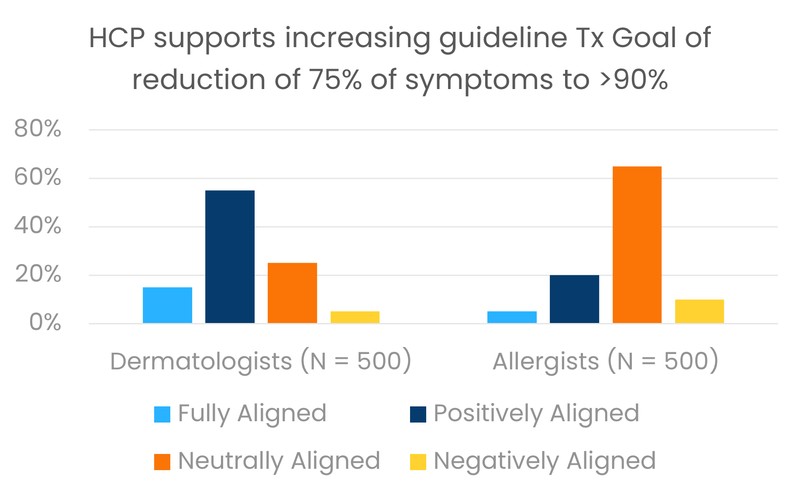
"In order to impact beliefs, we are going to have that scientific exchange to raise awareness so that we can assess the belief. So there is a process, a story, a narrative that gets us to impacting patient lives through understanding the clinical behaviors we care about, the beliefs behind them, and our ability to increase their awareness." - Linda Traylor
What Makes a Scientific Narrative Effective?
A critical element in communicating impact and demonstrating value is the development of a compelling scientific narrative. If Medical Affairs teams desire to influence HCPs to adopt a new treatment guideline, it's essential first to establish whether they believe there's a significant unmet need. The narrative must then be crafted to shift this belief in a way that leads to the desired clinical behavior. This narrative should be tailored to the target audience, addressing the specific data points and outcomes that matter most to them.
"If we don't know that why, then we won't be able to change that belief." - Renu Juneja
How Do You Build a Medical Affairs Value Story?
A Medical Affairs value story is a structured narrative that connects specific team activities to measurable shifts in HCP beliefs, and ultimately to organizational and patient impact. The culmination of this process is creating a value story that ties together the contributions of various Medical Affairs activities to the overarching impact on patient care. Linda and Renu discussed the importance of presenting this story in a clear, visual format that resonates with senior leadership immediately. Tailoring that story to each stakeholder audience is itself part of a broader set of Medical Affairs engagement strategies.
This value story should be supported by robust data and should clearly demonstrate how Medical Affairs activities are driving changes in HCP beliefs and behaviors. For example, if the goal is to increase the adoption of a new treatment, the story should illustrate how Medical Affairs efforts have shifted HCP beliefs and how this has contributed to changes in guideline-aligned clinical practice and, ultimately, better patient outcomes.
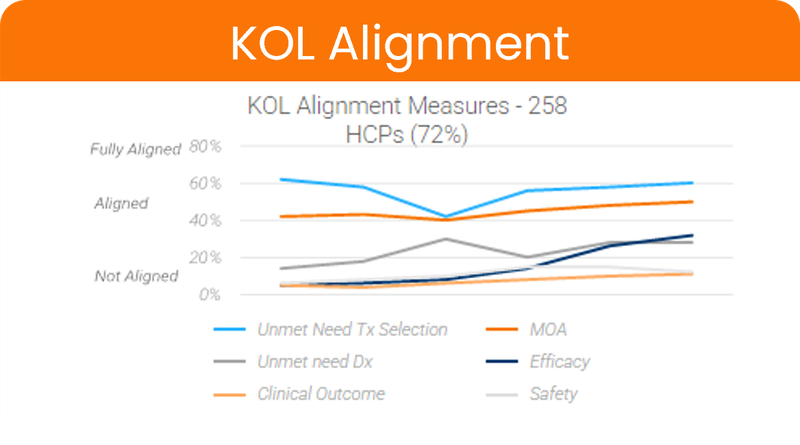
"It shouldn't take more than 30 seconds for the viewer to understand what you are talking about. If they are really looking at it, confused, and it takes them minutes to figure it out, your data is not visual enough, it's not clear enough, it's not impactful enough." - Renu Juneja
How Acceleration Point Can Help
Communicating the impact of Medical Affairs is a complex but essential task. By focusing on the end goal, defining clear impact measures, and building a compelling scientific narrative, Medical Affairs teams can craft a value story that resonates with senior leadership and demonstrates their critical role in the organization.
The strategies discussed in this workshop give Medical Affairs teams a roadmap for telling that story more effectively, ensuring that the value of Medical Affairs is recognized and appreciated at all levels of the organization.
At Acceleration Point, we're focused on helping your team make the most of its Medical Affairs efforts. Learn more about our Medical Excellence Services or connect with our team to schedule a meeting.
Access the full recording of our workshop on showcasing the impact of Medical Affairs.
FAQ
What is a Medical Affairs value story?
A Medical Affairs value story is a structured narrative that connects specific team activities to measurable shifts in HCP beliefs and, ultimately, to organizational and patient impact.
Why do traditional Medical Affairs metrics fall short?
Metrics like publication counts or HCP interaction volume measure activity, not impact. They don't capture whether Medical Affairs efforts actually shifted HCP beliefs or clinical behavior.
How should Medical Affairs teams start defining impact?
Start with the end in mind: define the desired clinical behavior first, identify the beliefs that drive it, then map the specific Medical Affairs actions that can influence those beliefs.
What makes a value story effective for senior leadership?
It should be visual, data-supported, and immediately clear. If a leader needs more than about 30 seconds to understand what the data is showing, the story isn't clear enough yet.
Further Reading:
- Highlights from the 2024 MAPS Conference → https://www.accelerationpoint.com/resources/maps-2024-conference-highlights/
- Turning Insights into Impact as a Medical Insight Lead → https://www.accelerationpoint.com/resources/turning-insights-into-impact-as-a-medical-insight-lead/
- Successful Medical Excellence: Defining, Building, and Scaling High-Impact Teams → https://www.accelerationpoint.com/podcast/successful-medical-excellence-defining-building-and-scaling-high-impact-teams/
Explore More Resources
Discover more insights, case studies, and podcasts from our team.
Browse All Resources